 EN
EN
 fr
fr  es
es  ru
ru  pt
pt  ar
ar  vi
vi  th
th  pl
pl  ro
ro 


:
+8613675848705
:
+8618069820917
+8613675848705

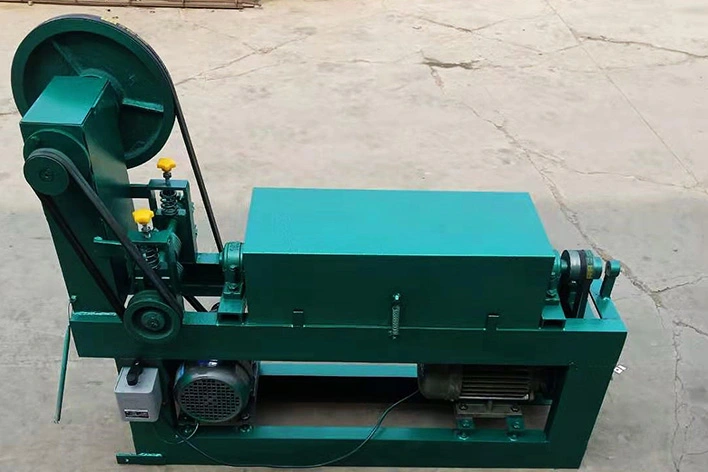
Wire drawing machines can be divided into straight drawing and tank drawing methods, and can also be classified into large, medium, thin, and micro wire drawing machines based on the diameter and thickness of the wire. These machines consist of two parts: stretching and winding, and are generally converted to dual or multi-variable frequency constant tension control to improve production efficiency, quality, and reduce cable costs. However, most variable frequency synchronous controls currently use external PID controllers. The disadvantage of this method is that PID controller tuning is difficult, expensive, and easily damaged. There are also attenuation and drift problems with analog signals during transmission, resulting in relatively high maintenance costs. But using a wire drawing machine inverter is more convenient in terms of operation.
A straight wire drawing machine is a small continuous production equipment composed of several drawing heads. By step-by-step drawing, the steel wire can be cold-drawn to the required specifications at once, with relatively high work efficiency. However, since the wire diameter changes after each drawing stage, the working linear speed of each drawing head also needs to change. Its characteristics are multiple drawing heads, multiple variable frequencies, and multiple PID adjustments.
The working principle of a straight wire drawing machine is to control the metal flow of each spool to be equal at all times. Using displacement sensors to detect wear on the drawing die, motor speed fluctuations, and thickness variations, PID algorithms are used for compensation. The speed of the last spool is the main setpoint, and the setpoints of the other spools are calculated through the area reduction rate and the transmission ratio.
The requirements for variable frequency speed control technology in wire drawing machines include ultra-low frequency torque, fast dynamic response characteristics, stable precision, no shaking, and trembling. All tension control algorithms are integrated into the VFD, and the special functions of the wire drawing machine are also integrated into the VFD, which can realize all control functions of complex wire drawing machines without the need for peripheral control circuits. When the host starts and stops, it must not cause any broken wires. When disconnected, an alarm should be issued, and emergency stop should be performed.
During normal operation, the swing arm should not collide with the upper and lower limits, and the drawing flow rates of each stage can be kept constant simultaneously. During shutdown, synchronization should be maintained continuously, and the proportionality relationship between the linear speeds of each stage should always be maintained. The VFD integrates multiple special parameters of the wire drawing machine, and corresponding parameters can be called directly without the need for customers to set them one by one.
When the feedback value of the tension balance bar is connected to the special model of the wire drawing machine, the direction of the tension bar swing should move towards the winding direction, while monitoring the PID feedback signal. Its value should change from small to large, generally ranging from 0.0% to 100.0%. If it is not within this range, the position of the tension potentiometer needs to be changed, so that the center point is around 50.0%. The tension potentiometer should be a 360° high-precision potentiometer. If the adjustment of the electric mode is troublesome, the drawing rod can be directly lifted to the physical middle height position of the winding tension guarantee, and then the feedback value of the potentiometer can be set to 50.0%. This setting method is to ensure that when the tension produces deviation, both positive and negative deviations can be buffered and stored at the same position distance through the drawing rod.
 ما هي أنواع أفران التلدين؟November 29, 2021الفرن المتحرك للتلدين من نوع العربة
الفرن المتحرك للتلدين من نوع العربة هو فرن عمل دوري لتوفير الطاقة بنية أليافى يوفر ٣٠٪ من استهلاك الكهرباء. تم اعتماد هيكل عالى الألمينيوم المركب. يحتوي الفرن على العديد من المزايا الممتازة مثل بنية مدمجة وكفاءة حرارية عالية واستقرار موثوق به وسهولة الصيانة.viewما هي هياكل أفران التلدين؟October 14, 2021مقدمة إلى فرن التلدين
يعتبر فرن التلدين عملية تستخدم في تصنيع أجهزة الشبه الموصلة، حيث يتم تسخين العديد من أقراص الشبه الموصلة لتأثير خصائصها الكهربائية...viewطريقة تشحيم سلك الرسم لآلة سحب الأسلاك الفولاذيةMarch 24, 2022آلة سحب أسلاك الفولاذ المقاوم للصدأ تستخدم بشكل رئيسي لسطح السحب والتنظيف للمعدن. تحتوي الآلة على بعض الخصائص الفيزيائية حيث يؤثر ذلك على أداء قطعة العمل.viewالفوائد الخاصة بآلة سحب الأسلاك في عملية سحب الأسلاك.November 8, 2022كما نعلم جميعا، قبل ظهور معدات آلة سحب الأسلاك، كان العمل التقليدي يتم عن طريق سحب الأسلاك يدوياً عندما يتم تنفيذ عملية سحب الأسلاك. الآن تمت إعادة شكل العملية وتعزيز الكفاءة بفضل هذه المعدات المتطورة.viewأسباب ارتداء آلة سحب الأسلاكDecember 20, 2021أسباب التآكل في القالب أثناء عملية سحب السلك في آلة سحب السلك:
الجزء الأول: الضغط النسبي المحدد من آلة سحب السلك غير معقول، وهذا يمكن أن يسبب ندوبًا أو تشققات في السلك المسحوب.viewآلة تصنيع الأظافر عالية الكفاءة في الإنتاج يمكن أن تحسِّن تنافسية السوق.November 8, 2022آلة صنع الأظافر الأوتوماتيكية عالية السرعة تعتمد تكنولوجيا متطورة. تتميز الآلة بتصميم متطور وبنية مدمجة ومظهر جميل واستخدام سهل وعملية آمنة. هذه الآلة ...view
ما هي أنواع أفران التلدين؟November 29, 2021الفرن المتحرك للتلدين من نوع العربة
الفرن المتحرك للتلدين من نوع العربة هو فرن عمل دوري لتوفير الطاقة بنية أليافى يوفر ٣٠٪ من استهلاك الكهرباء. تم اعتماد هيكل عالى الألمينيوم المركب. يحتوي الفرن على العديد من المزايا الممتازة مثل بنية مدمجة وكفاءة حرارية عالية واستقرار موثوق به وسهولة الصيانة.viewما هي هياكل أفران التلدين؟October 14, 2021مقدمة إلى فرن التلدين
يعتبر فرن التلدين عملية تستخدم في تصنيع أجهزة الشبه الموصلة، حيث يتم تسخين العديد من أقراص الشبه الموصلة لتأثير خصائصها الكهربائية...viewطريقة تشحيم سلك الرسم لآلة سحب الأسلاك الفولاذيةMarch 24, 2022آلة سحب أسلاك الفولاذ المقاوم للصدأ تستخدم بشكل رئيسي لسطح السحب والتنظيف للمعدن. تحتوي الآلة على بعض الخصائص الفيزيائية حيث يؤثر ذلك على أداء قطعة العمل.viewالفوائد الخاصة بآلة سحب الأسلاك في عملية سحب الأسلاك.November 8, 2022كما نعلم جميعا، قبل ظهور معدات آلة سحب الأسلاك، كان العمل التقليدي يتم عن طريق سحب الأسلاك يدوياً عندما يتم تنفيذ عملية سحب الأسلاك. الآن تمت إعادة شكل العملية وتعزيز الكفاءة بفضل هذه المعدات المتطورة.viewأسباب ارتداء آلة سحب الأسلاكDecember 20, 2021أسباب التآكل في القالب أثناء عملية سحب السلك في آلة سحب السلك:
الجزء الأول: الضغط النسبي المحدد من آلة سحب السلك غير معقول، وهذا يمكن أن يسبب ندوبًا أو تشققات في السلك المسحوب.viewآلة تصنيع الأظافر عالية الكفاءة في الإنتاج يمكن أن تحسِّن تنافسية السوق.November 8, 2022آلة صنع الأظافر الأوتوماتيكية عالية السرعة تعتمد تكنولوجيا متطورة. تتميز الآلة بتصميم متطور وبنية مدمجة ومظهر جميل واستخدام سهل وعملية آمنة. هذه الآلة ...view